
Same shape this week: what matters on the network, one city handled properly, one crew move, one thing for the bag, one scam to avoid. Four minutes.
Open the Beijing Guide - Free Preview this week
From the catalog
Beijing is the featured city this week. The guide is built for the capital layover that only works when the phone setup, ticket plan, and return buffer are handled before ambition takes over: PEK routing, Airport Express and Didi judgment, Alipay and WeChat Pay, VPN and translation prep, Forbidden City booking, hutong walking, Peking duck, Niujie halal options, bad-air fallback, Great Wall timing, and the scams that still find tired visitors around tourist gravity. Beijing is the Free Preview for this issue window. See the catalog
Next on the drafting desk: Toronto. The issue should be built around Pearson train math, tax-and-tip reality, Kensington and Gerrard food routes, Islands ferry timing, TIFF crowds, and the mistake of treating Toronto like a CN Tower errand.
On the network this week
Forbidden City ticketing. The Palace Museum ticket page lists high-season admission at CNY 60 from April 1 to October 31, with extra galleries priced separately. The useful part for crew is not the price. It is the process: limited daily admission, advance booking, passport details for foreign visitors, and the same original ID at entry. Do not make the Forbidden City your one anchor and then leave ticketing to the morning of the visit.
Temple of Heaven and Beijing parks. Beijing's official ticketing guidance for major parks says visitors can make real-name reservations through the official WeChat channels, and foreign visitors may need the e-ticket QR code plus the matching ID document. For short layovers, that means one practical rule: screenshot confirmations before you leave Wi-Fi, and carry the passport used for booking.
China payments. The official Payment options in China guide still points visitors toward mobile payment first: Alipay, Weixin Pay/WeChat Pay, UnionPay, cards, and cash all exist, but the phone is the normal layer. Beijing is a bad place to discover that your bank card is not happy inside an app.
Late September in China. Beijing's public-holiday calendar lists Mid-Autumn Festival from September 25 to 27, 2026, and National Day from October 1 to 7, 2026. If your roster touches that window, expect more domestic movement, harder bookings, and less forgiveness for improvised plans. The Great Wall is already a long decision. During holiday pressure, it becomes a full-day commitment.
Transit visa-free rules. China expanded its transit visa-free policy in 2026. Useful, yes. Automatic, no. Check your passport, route, onward ticket, permitted region, and airline handling before building a layover around immigration assumptions.
City deep-dive: Beijing needs one imperial anchor
Beijing is not a city for collecting landmarks.
It is too large, too historic, too app-dependent, and too easy to underestimate from a hotel room map. The first mistake is trying to do the Forbidden City, hutongs, Peking duck, the Summer Palace, the Wall, and a quick shopping run because all of them look like names you recognize.
That is how Beijing turns into a long day of gates, scans, queues, and a late return.
The rule is simple: choose one imperial anchor, then let the rest of the day support it.
For most first visits, that anchor is the Forbidden City or Temple of Heaven.
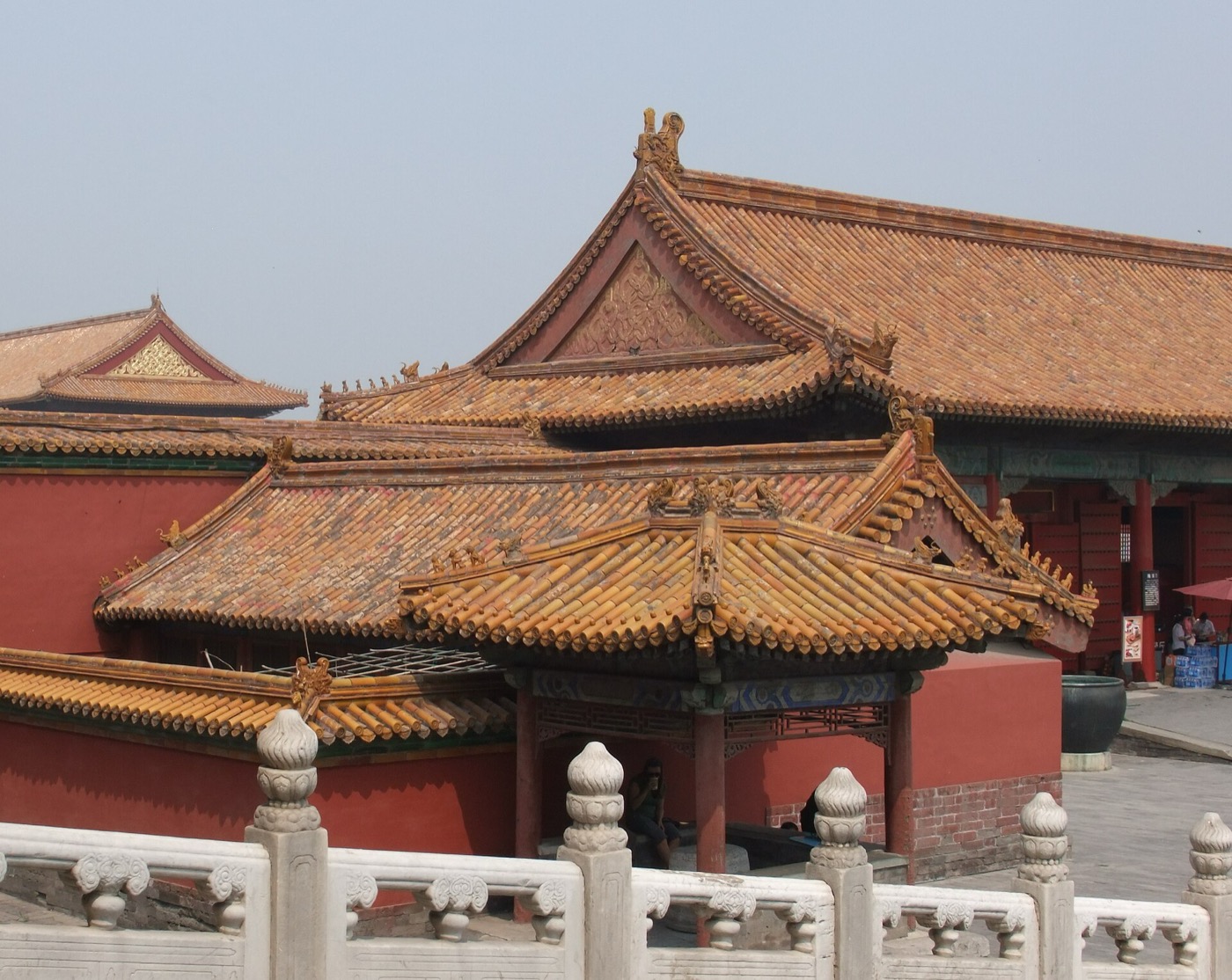
The Forbidden City is the big one: rooflines, courtyards, scale, history, and the sense that the city was designed around power. It needs booking discipline, a passport match, good shoes, and enough time to exit without immediately needing a taxi miracle. Pair it with hutongs nearby and a duck or noodle meal. That is a day.
Temple of Heaven is the calmer anchor. It is visually strong, easier to understand quickly, better with park life, and easier to pair with food. If the Forbidden City ticket plan is not clean, Temple of Heaven is not a consolation prize. It is the smarter layover.
The Great Wall is a different category. Mutianyu can be magnificent, but it is not a little add-on. It needs weather, air quality, transport, ticketing, and return timing all on your side. If you force it into a tired 24-hour stop, the Wall becomes the only thing you did and the thing that made you nervous all day. Choose that on purpose or leave it for a longer layover.
Food is easier than the sightseeing, if you stop overcomplicating it.
Peking duck is the city meal. Siji Minfu and Da Dong are the clean shortlist. The choice is not "which name is most famous?" It is queue, booking, route, and energy. A polished duck dinner is wonderful when it fits the day. On a tighter clock, hutong snacks, zhajiangmian, jianbing, lamb skewers, dumplings, or a Lanzhou beef-noodle shop can be the better crew move.
Niujie matters because Beijing has real Hui Muslim food history. Use it as a food district, not as one magic address. Look for qingzhen signage, ask the questions that matter to your own standard, and keep translation ready. China is not the place to trust a half-understood menu because everyone is hungry.
Shopping has a clean verdict.
Beijing wins on tea, museum-shop objects, paper goods, calligraphy supplies, small ceramics, books, and snacks with a real city story. Dubai wins on mainstream luxury, electronics, perfume, gold, and warranty-sensitive buys. Do not turn Silk Market pressure into a shopping mission just because someone promised "same same" quality.
The full Beijing guide carries the rest: PEK transit, Airport Express and Didi judgment, China phone setup, ticket-booking rules, Forbidden City versus Temple of Heaven logic, hutong routes, Niujie halal options, Peking duck decisions, Great Wall timing, bad-air recovery, shopping value, creator spots, and what to skip on a short layover. Read the Beijing guide - the Free Preview this week.
If Beijing is on your roster, use the full guide before departure. It can save you from one broken payment app, one no-ticket museum plan, one wrong-size Great Wall day, one counterfeit purchase, or one long imperial checklist that needed to be one good anchor. The paid catalog is USD 8.99 a month (about AED 33), or, for the first 500 founders, USD 69.99 a year (about AED 257), locked for life. The point is a better layover, not a longer list. See the catalog
Crew move
Pick the anchor before the transport. Forbidden City, Temple of Heaven, 798, Summer Palace, or Mutianyu. Once the anchor is chosen, the airport route, meal, and return buffer get much easier. If the anchor changes, the day changes.
The crew bag
Power bank, passport, mask, and a small water bottle. The passport is for ticket checks, not just immigration. The power bank keeps payment, maps, translation, VPN, and ride apps alive. The mask is for dust or bad-air days, not for drama.
Safety brief
Beijing's common risks are friction and overconfidence. Tea-house invitations, pedicab price games, counterfeit pressure, and unlicensed tour pitches still work because tired visitors want the city to be easier than it is.
Keep the phone close in crowded tourist zones and Metro transfers. Use official booking paths where possible. Save Chinese names for destinations. Walk past stranger-led invitations that arrive too neatly. Beijing is safe enough to enjoy. It is not forgiving enough to bluff.
Tuesday next week: Toronto - Pearson train math, Kensington Market, Gerrard India Bazaar, Islands ferry timing, TIFF crowds, tax and tip, and why the CN Tower is not the whole city.
Trevor (Mr. Admin)