
The rhythm, as always: a few things on the network this week, one city understood properly, one place a crew member sent us, one thing worth packing, one scam not to fall for. Four minutes.
New in the catalog
Three cities just joined the paid catalog. Rome is the food-and-walk layover: one ancient anchor, one neighborhood meal, a standing espresso, and a protected FCO return. Frankfurt is the compact reset: Main skyline, Kleinmarkthalle, apple wine, Bahnhofsviertel food, and an easy FRA escape. Chicago is in too, with river architecture, blues, and immigrant-food routes that work without turning the layover into a logistics puzzle. See the catalog
On the network this week
Tokyo. Rainy season is doing exactly what it should: making the hydrangeas look better. Hakusan's festival wrapped on June 14, but Takahata Fudoson runs through June 30 and Meigetsu-in in Kamakura is still the classic blue-hydrangea move if you have a longer rest window. Pack the small umbrella and make it a quiet morning, not a full-day mission.
Paris. Notre-Dame entry is free, and the official reservation system is optional. That is the crew-useful part: do not buy a fake paid standard-entry ticket, and do not build the plan around tourist advice that assumes six clean weeks of notice. Check the official site when your roster lands, again a couple of days out, and the morning of.
Buenos Aires. Winter has arrived, which means dinner tables can be easier than peak-season Buenos Aires. Don Julio is still the famous benchmark and still a serious reservation. If EZE is on your roster, check the official booking path now, then keep a simpler Palermo or neighborhood parrilla as the fallback.
Singapore. Durian season is starting; Singapore's food-safety agency puts the usual season around June through September. Try it at the source if you are curious, but do not make it a hotel-room or MRT problem. Eat it where you buy it.
City deep-dive: Tokyo, ¥800 at a time
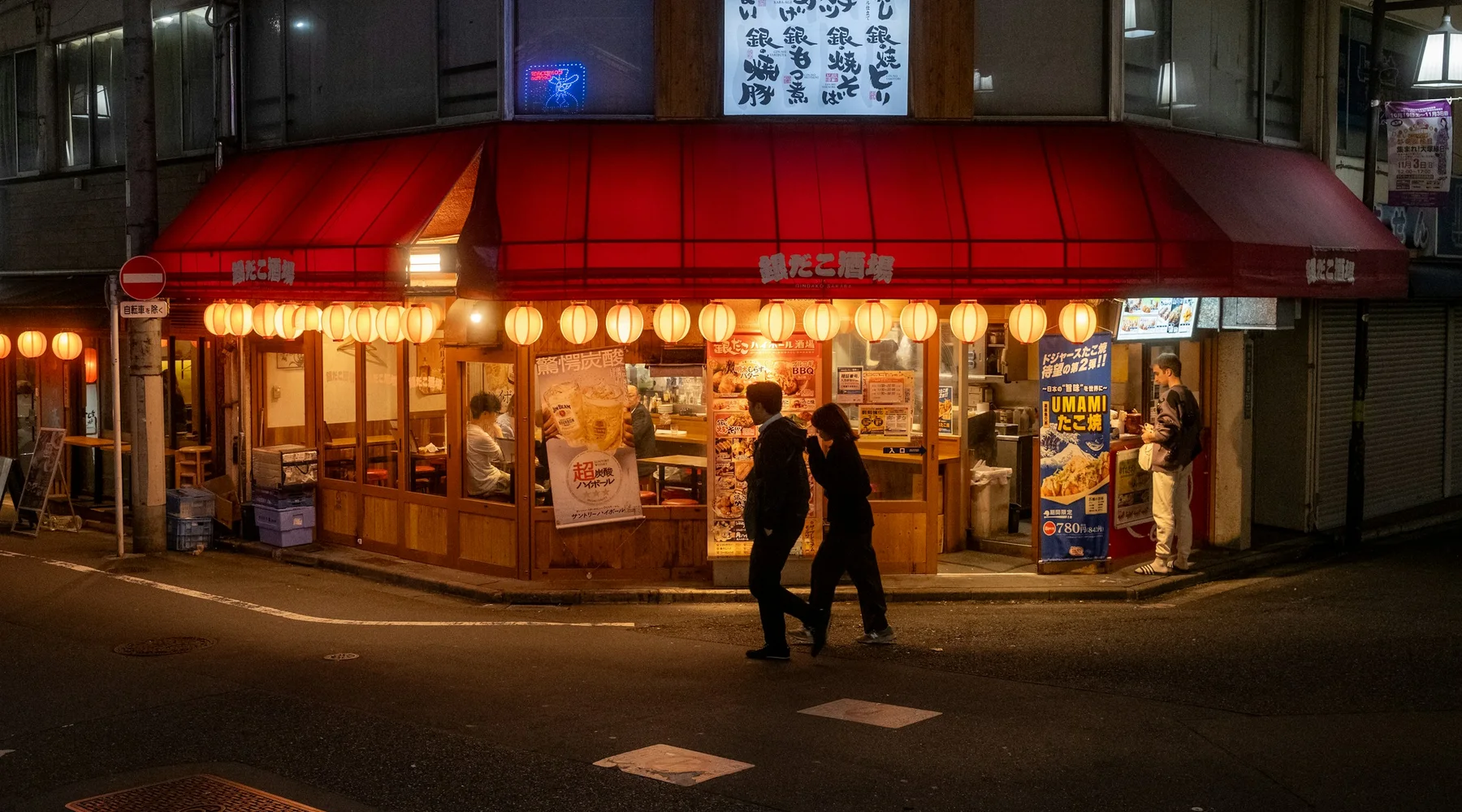
Tokyo paralyzes more crew than almost any city on the network: too big, too foreign, too expensive, so people default to the room and a famous crossing. The fix is to stop treating Tokyo as a bucket list and start treating it as a set of small rituals. Five of them, none over ¥3,000, most under ¥800.
The conbini, properly. The convenience stores - Lawson, 7-Eleven, FamilyMart - are some of the best cheap eating in Japan, no irony. The Lawson egg sando, cold soba, onigiri, fried chicken, a hot can of coffee from the machine: a full, genuinely good meal under ¥800, at 03:00, jet-lagged, when nothing else is open. Your first stop off the bus, not your last resort.
The kissaten. Before third-wave coffee, Japan perfected its own: the Showa-era coffee houses with dark wood, velvet seats, and a master pouring one hand-drip at a time. ¥600-900 and the quietest half-hour you will have in Asia. Look for brown signage and the word 喫茶. There is usually one within ten minutes, almost anywhere in the city.
Tsukiji outer market, before 09:00. The inner auction moved years ago; the outer market is alive and the point: tamago stands, tuna bowls, knife shops, steam, and breakfast eaten standing up. Go before the tour groups land. Budget ¥1,500-3,000.
The Donki run. Don Quijote - the multi-floor, jingle-blasting discount labyrinth - is where crew actually shop in Tokyo: Japanese skincare, KitKats in flavours that do not exist anywhere else, gadgets, gifts, and practical bag repairs. Cheaper than the airport for most of it, open late, and an experience in itself.
The one hot meal: Kikanbo. Spicy miso ramen with the double-pepper hit: kara chili, shibi numbing sansho, and you choose the levels. A queue of locals, a ticket machine, a counter, around ¥1,200 before extras, out in twenty minutes. The price-to-memory ratio is hard to beat.
That is the layover: five rituals, under AED 150 all-in, no queue for a tower in sight. And if your rest runs long and you want out entirely, Mt Takao is about an hour west on the Keio line: a cable car, a forest trail, and a view back over the city you just escaped.
The full Tokyo guide carries the rest: both airports done properly, the Shibuya-without-the-crowds plays, depachika basements, late-night izakaya etiquette, and the exact transit logic that keeps Narita from eating your day. Read the Tokyo guide - the Free Preview this week.
And the honest math, since people ask: one Tokyo layover earns the membership back. The eSIM and VPN member discounts, plus knowing the five rituals above instead of losing your rest day deciding. USD 8.99 a month, or, for the first 500 founders, USD 69.99 a year, locked for life. Then it does the part you cannot price: it turns a dead 24 hours into a day you will be telling people about. See the catalog
Crew pick
"Skip the Shibuya Sky queue. Go up the Cerulean Tower or any hotel bar above the 25th floor at dusk, order one drink, and you get the same skyline with a seat and no timed ticket. The crossing looks better from above anyway."
- Crew, Tokyo regular. Name withheld.
The crew bag
A coin pouch. Japan still runs on coins more than almost anywhere else on the network: conbini, ticket machines, shrine offering boxes, older coffee shops. Your card works on the trains if you have Suica set up, but coins pile up fast and a zipped pouch beats a pocket full of ¥10s. A few dirhams on Amazon UAE; lives in the Tokyo bag forever.
Safety brief
Tokyo is the safest big city on the network, with one exception worth knowing. Lost wallets come back. Nobody touches your phone on the table. The one genuine trap: the bar touts of Kabukicho and Roppongi. A friendly guy, often English-speaking, invites you to a bar with cheap drinks; the bill arrives padded by a zero, and the exit gets awkward. The rule is simple and absolute: never follow a street tout into a bar in those districts. Pick your own door, every time.
That is the entire Tokyo safety briefing.
Tuesday next week: a different city.
Trevor (Mr. Admin)